Best SkinPen Alternatives for Estheticians and Medspas


Best SkinPen Alternatives for Estheticians and Medspas
SkinPen is one of the most recognized professional microneedling devices in the aesthetics industry, but it isn't the only option available to providers.
As microneedling continues to grow in popularity, estheticians, medspas, dermatology practices, and aesthetic providers are looking for SkinPen alternatives that offer advanced treatment options, affordable operating costs, flexible needle configurations, and opportunities to differentiate their services. If you're comparing professional microneedling devices for your practice, here are some of the most important options and features to consider.
Why Are Providers Looking for SkinPen Alternatives?
SkinPen helped establish professional microneedling as a popular treatment for improving the appearance of acne scars, fine lines, wrinkles, and uneven skin texture.
However, today's aesthetics market includes a much wider range of technologies.
Providers may begin researching alternatives because they want:
More treatment customization
Different needle configurations
Lower equipment or consumable costs
Additional technologies beyond mechanical microneedling
More control over treatment protocols
A device that helps differentiate their medspa
Better potential treatment ROI
The best microneedling device isn't necessarily the most recognizable brand. It's the device that fits your practice, clientele, treatment philosophy, and business model.
1. Infrared Microneedling
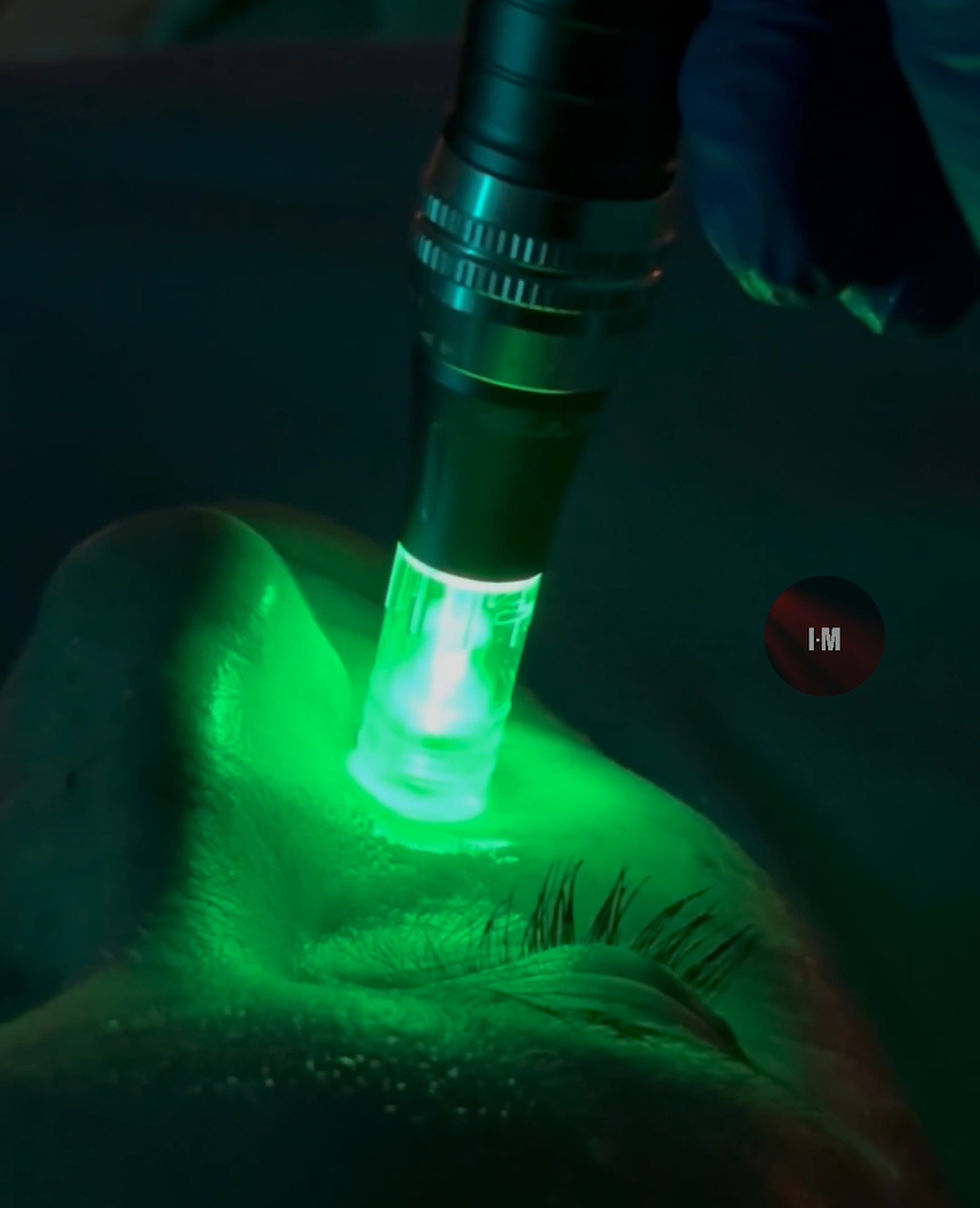
One emerging alternative to traditional microneedling systems is Infrared Microneedling™.
Rather than positioning microneedling as a standalone mechanical treatment, the Infrared Needle Pen combines professional microneedling with integrated light technology, giving providers another way to differentiate their treatment menu.
The professional system offers:
7 adjustable speeds
Multiple needle cartridge configurations
12-pin, 36-pin, and 42-pin options
Adjustable treatment settings
Integrated LED technology
Professional treatment versatility
An accessible entry point for independent providers and growing medspas
For providers already offering standard microneedling, this type of system can also create a new service category rather than simply replacing one microneedling pen with another.
That distinction may appeal to providers looking for a treatment they can market differently from the traditional microneedling services already offered by competing medspas.
2. Dermapen 4
Dermapen 4 is another well-known professional alternative. The system uses adjustable needle depths and speeds and is available through DermapenWorld's professional provider network. DermapenWorld states that the device offers adjustable depths up to 3 mm along with its 16-needle cartridge and anti-contamination features.
Dermapen may appeal to established practices looking for a comprehensive ecosystem that includes professional training, protocols, skincare products, and ongoing provider support.
3. Professional Microneedling Pens
There is also a large category of professional microneedling pens outside major systems such as SkinPen and Dermapen.
These devices can vary dramatically in:
Motor performance
Needle depth
Cartridge quality
Needle configuration
Treatment speed
Safety features
Warranty
Training
Manufacturer support
Regulatory status
Price alone should never determine which professional microneedling machine you purchase. Providers should evaluate who manufactures the device, its intended use, applicable FDA regulatory status, cartridge sterility, cross-contamination protections, training requirements, and whether the device can legally be used within their professional scope of practice.
What Should You Look for in a SkinPen Alternative?
When comparing the best SkinPen alternatives for estheticians and medspas, consider the entire treatment system rather than simply comparing the pens themselves.
Device Cost
Professional microneedling devices can represent a significant startup expense.
Calculate the complete investment, including:
Device purchase price
Training
Replacement cartridges
Treatment supplies
Aftercare
Maintenance
Recurring manufacturer requirements
A less expensive device isn't automatically more profitable, but a lower initial investment can make it easier for a growing practice to reach its break-even point.
Cartridge Cost
Consumables directly affect the profit from every appointment.
For example, if two devices produce treatments that your practice prices similarly but one requires substantially more expensive proprietary consumables, your profit margin per treatment may be different.
Always calculate cost per treatment, not simply device price.
Treatment Versatility
Look at what you can realistically offer with the device. Consider adjustable depth, speed settings, available needle configurations, treatment areas, manufacturer protocols, and any additional technology incorporated into the system. A versatile device may allow a practice to serve more client concerns without purchasing multiple pieces of equipment.
Training and Support
A professional device should come with appropriate education.
Training becomes especially important when transitioning from traditional microneedling into a different treatment technology. Providers should understand contraindications, treatment parameters, infection-control procedures, cartridge handling, post-treatment care, and when a client should be referred to another healthcare professional.
Regulatory Status
This is one of the most important—and most overlooked—parts of comparing professional microneedling machines.
The FDA states that it has legally authorized only a limited number of microneedling medical devices for specific indications and areas of the body. Providers should verify a device's regulatory status and intended use rather than assuming that every professional microneedling pen is FDA cleared.
Licensing and scope-of-practice requirements can also vary by state.
Traditional vs. Infrared vs. RF Microneedling
Not every advanced microneedling technology works the same way.
Traditional microneedling mechanically creates controlled microchannels using needles.
Infrared Microneedling combines microneedling with integrated light technology.
RF microneedling uses needles or electrodes to deliver radiofrequency energy beneath the skin and create controlled heating.
These technologies should not be treated as interchangeable. In October 2025, the FDA issued a safety communication regarding reports of serious complications associated with certain uses of RF microneedling, including burns, scarring, fat loss, disfigurement, and nerve damage.
Providers considering any energy-based microneedling technology should understand exactly how the technology works and follow applicable training, regulatory, and licensing requirements.
Which SkinPen Alternative Is Best for a New Esthetician?
For an independent esthetician or newer medspa, the best system often comes down to four questions:
How much does it cost to start?
How much does each treatment cost me to perform?
How much can I reasonably charge in my market?
What makes this treatment different from what every other medspa already offers?
A recognizable device name can be valuable, but brand recognition is only one part of building a profitable treatment.
Providers should also consider treatment differentiation, consumable costs, education, versatility, client demand, and potential return on investment.
Is Infrared Microneedling a Good SkinPen Alternative?
For providers specifically searching for something beyond traditional mechanical microneedling, Infrared Microneedling may be worth considering.
The biggest distinction is the ability to introduce a different technology and treatment concept instead of competing solely on the name of the microneedling pen being used.
For independent estheticians and growing medspas, that can create an opportunity to position themselves differently in an increasingly competitive microneedling market.
The Bottom Line
SkinPen remains an established name in professional microneedling, but today's providers have more options.
Dermapen offers another established professional ecosystem, while newer technologies such as Infrared Microneedling provide an alternative for providers interested in combining microneedling with additional technology and creating a more differentiated treatment offering.
Before investing in any professional microneedling device, compare device cost, cartridge cost, treatment versatility, regulatory status, training, safety features, and potential ROI.
The best microneedling pen for your medspa isn't simply the most famous one.
It's the system that makes sense for your treatments, your clients, and the business you're building.
Looking for a SkinPen alternative for your aesthetics practice?
Discover the Infrared Needle Pen and learn how Infrared Microneedling can add a differentiated professional microneedling treatment to your service menu.


Comments