Best Microneedling Pen for Medspas: What to Look for in 2026

Best Microneedling Pen for Medspas: What to Look for in 2026
Microneedling has become a core treatment in aesthetic practices, but choosing the best microneedling pen for a medspa requires looking beyond needle depth and device price. A medspa needs equipment that can fit into a busy treatment schedule, support multiple providers, maintain reasonable consumable costs and create a service patients are willing to return for.
For practice owners, the real question isn't simply:
Which microneedling pen works?
It's:
Which microneedling system makes the most sense for my treatment room and my business?
Here are the most important features medspa owners should compare before investing in a professional microneedling device.
1. Look for Adjustable Speed and Depth
Treatment flexibility starts with control. Professional microneedling pens commonly allow providers to adjust needle depth and operating speed depending on the treatment area and intended protocol. For a medspa treating multiple patients with different skin concerns and treatment areas, flexibility becomes particularly important.
When comparing devices, consider:
Available speed settings
Adjustable needle depth
Ease of adjusting the device during treatment
Treatment-area versatility
Manufacturer protocols and instructions
The goal is not simply to purchase the device with the longest specification list. It is to choose technology your providers can comfortably and consistently integrate into treatments.
2. Compare Microneedling Cartridge Options
Cartridges are one of the most important, and sometimes, the overlooked parts of choosing a microneedling pen.
Different needle configurations can support different treatment approaches.
For medspas, cartridge selection can provide flexibility when developing treatment protocols for different areas and treatment goals. Consumable availability matters too.
Before purchasing a professional microneedling pen, determine:
Which cartridges are available?
Are cartridges designed for single treatment use?
How much does each cartridge cost?
Are cartridges consistently available?
How quickly can replacements be ordered?
The price of the pen is a one-time expense.
Cartridges are an ongoing operating expense.
That makes cartridge economics especially important for high-volume medspas.
3. Calculate the Cost Per Treatment
For microneedling, consider expenses such as:
Single-use cartridges
Disposable supplies
Treatment preparation materials
Post-treatment products
Provider time
Equipment cost
Once you understand the approximate treatment cost, compare it with your service price. A device with an attractive purchase price can become less attractive if every treatment requires expensive proprietary consumables.
Likewise, a device with a higher initial cost may make sense if treatment economics support a reasonable break-even period. Think beyond purchase price. Think cost per treatment.
4. Consider Treatment Room Efficiency
Medspa equipment has to work in the real world. A device that requires complicated setup, extensive cleanup or constant troubleshooting can slow down a treatment room.
When evaluating a professional microneedling pen, consider:
Device portability
Setup time
Battery or power requirements
Cartridge installation
Cleaning requirements
Storage
Treatment workflow
For practices with multiple providers or back-to-back appointments, small workflow improvements can add up quickly. A compact handheld system may also make it easier for practices with limited treatment-room space to add microneedling without purchasing a large platform.
5. Look Beyond Traditional Microneedling Technology
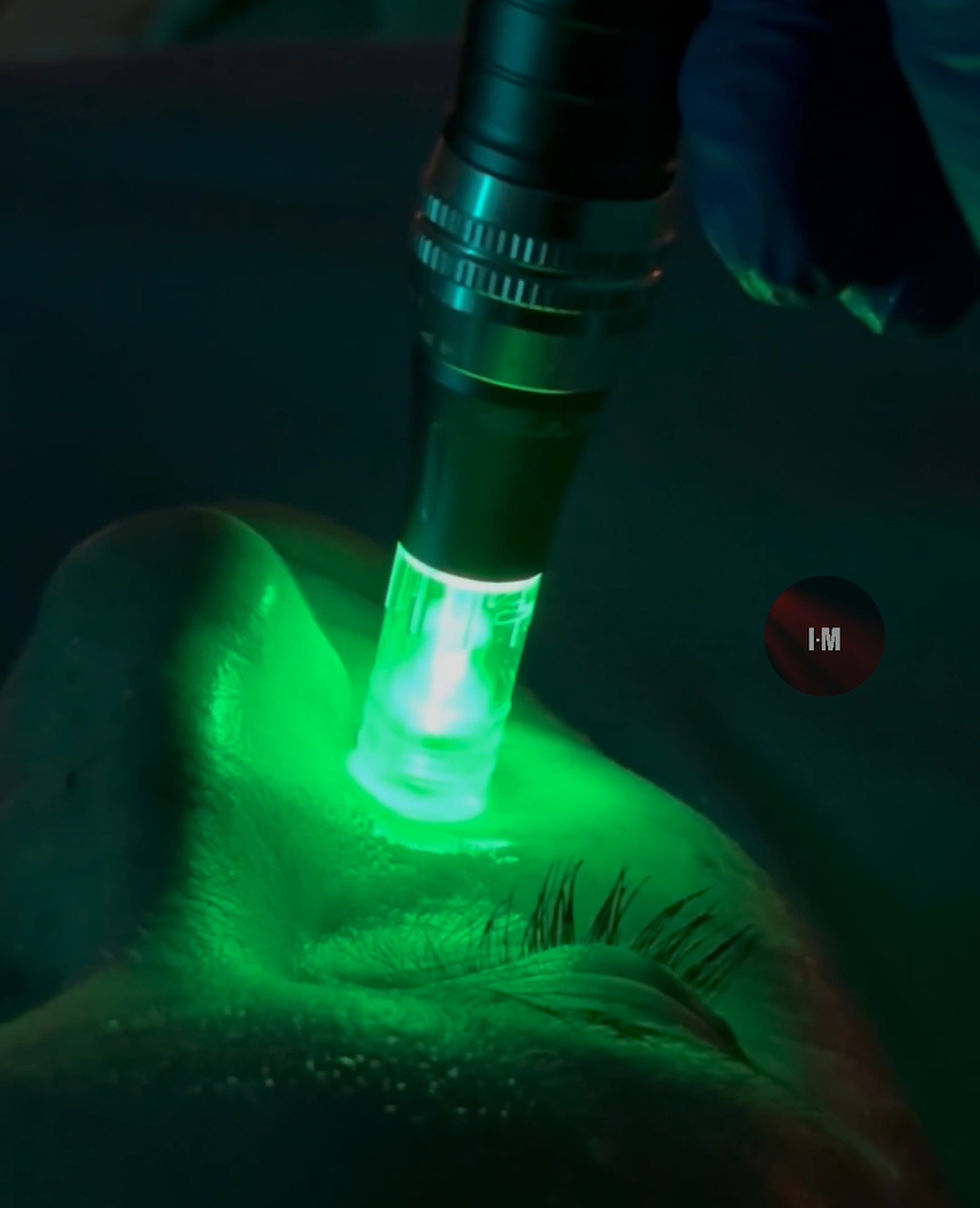
Professional microneedling technology continues to evolve. Traditional powered microneedling primarily relies on mechanical needle movement to create controlled microchannels. Newer treatment platforms may incorporate additional technologies into the provider workflow. Infrared Microneedling™ was developed around this concept by integrating light technology into a handheld professional microneedling platform.
For medspa owners, this creates another question to consider:
Do you want to add another conventional microneedling pen, or introduce a technology that helps differentiate your treatment menu?
Differentiation matters in competitive aesthetic markets where many practices offer similar services.
6. Understand Microneedling vs RF Microneedling
Traditional microneedling and radiofrequency microneedling are different technologies.
That difference can affect:
Equipment cost
Treatment workflow
Training
Treatment pricing
Maintenance
Regulatory considerations
Large RF platforms can represent significant capital investments. For smaller medspas, independent providers and growing practices, a handheld professional microneedling system may offer a very different cost structure.
The best option depends on the services, clientele and financial model of the individual practice.
7. Evaluate Training and Staff Usability
A device doesn't generate revenue sitting in a cabinet. Your providers need to feel comfortable using it. Before investing, ask what support is available after purchase.
Consider whether the company provides:
Device demonstrations
Provider education
Operating instructions
Treatment protocols
Troubleshooting
Cartridge ordering support
Ongoing provider communication
This becomes especially important for medspas where multiple providers may eventually use the same technology. A straightforward system with clear education can be easier to incorporate into an existing service menu.
8. Consider How the Device Fits Your Treatment Menu
The best microneedling pen for a medspa should complement the treatments the practice already performs.
For example, practices focused on:
Skin rejuvenation
Texture
Acne-focused services
Hyperpigmentation-focused services
Anti-aging aesthetics
Advanced facial treatments
may approach microneedling differently.
Before purchasing equipment, determine exactly where the service will sit on your menu.
Will it be offered as a standalone treatment?
Will patients purchase treatment series?
Will you create different protocols?
Will it complement other services already offered by the practice?
Equipment should support your treatment strategy rather than forcing you to build your business around the equipment.
9. Calculate Microneedling ROI Before Buying
This is where medspa owners should get very practical.
Consider a simple example.
If a professional microneedling system costs $1,500 and the practice charges $250 per treatment, six treatments generate $1,500 in gross treatment revenue.
That does not mean the device has produced $1,500 in profit, cartridges, supplies, labor, overhead and other expenses still matter.
But this calculation gives the owner a starting point for estimating how quickly equipment costs could potentially be recovered.
Before purchasing any device, calculate:
This is much more useful than simply comparing sticker prices.
10. Regulatory Status Matters
Regulatory due diligence should be part of every professional equipment purchase.
Providers should understand a device's intended use, labeling, manufacturer information and applicable regulatory status before introducing it into a practice.
Microneedling products sold online do not all have the same regulatory status.
Practice owners should also verify that providers are appropriately trained and operating within applicable state licensing and scope-of-practice requirements.
A professional-looking device is not a substitute for regulatory research.
11. Don't Overlook Infection Control
Microneedling involves direct interaction with the skin, making infection-control protocols critical.
Providers should follow applicable device instructions regarding cleaning and disinfection and use appropriate single-use needle cartridges according to the device's instructions. When comparing systems, medspa owners should evaluate whether the cartridge design and treatment workflow make proper infection-control procedures straightforward for staff.
Safety needs to scale with treatment volume.
What Is the Best Microneedling Pen for a Medspa?
There is no universal winner for every practice.
The best microneedling pen for your medspa is the one that balances:
Treatment versatility.
Provider usability.
Cartridge availability.
Operating cost.
Technology.
Regulatory considerations.
Training and support.
Return on investment.
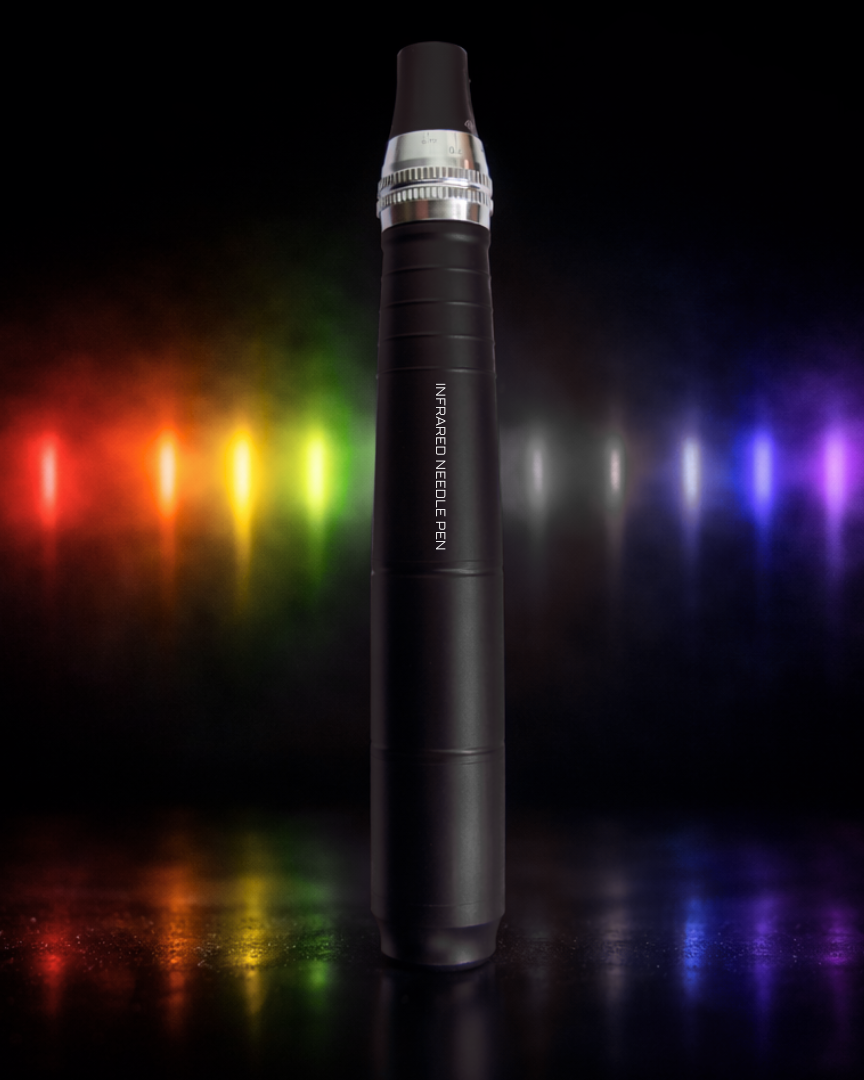
For medspas interested in exploring technology beyond a conventional microneedling pen, the Infrared Needle Pen combines professional microneedling with integrated light technology in a compact handheld platform. The system features seven operating speeds and multiple cartridge configurations, including 12-pin, 36-pin and 42-pin options.
For growing practices, the goal isn't simply to purchase another piece of equipment.
It's to invest in technology that can earn a place on the treatment menu.
Before Purchasing a Microneedling Pen for Your Medspa
Ask five questions:
Can my providers use it efficiently?
Can I reliably obtain the consumables?
Does the treatment fit my clientele?
Does the technology differentiate my practice?
Do the economics make sense?
The best professional microneedling device isn't necessarily the most expensive system on the market. It's the one that makes sense clinically, operationally and financially for the medspa you're building.
Interested in bringing Infrared Microneedling™ into your practice? Explore the Infrared Needle Pen, provider education, cartridge options and technology to learn whether the system is a fit for your medspa.
Professional-use information only. Providers are responsible for complying with applicable licensing, scope-of-practice and regulatory requirements. Product features and intended uses should be evaluated according to applicable labeling and regulatory status.


Comments