Best Microneedling Device for Estheticians in 2026: What Professionals Should Look For

Best Microneedling Device for Estheticians in 2026: What Professionals Should Look For
Choosing the best microneedling device for your esthetics practice in 2026 is about more than finding a pen with adjustable needle depth. Today’s aesthetic providers are looking for technology that can deliver consistent treatments, accommodate different treatment areas, offer versatile cartridge options, fit naturally into existing protocols and make financial sense for their practice. Whether you are adding microneedling for the first time or upgrading an existing device, understanding what separates one professional microneedling system from another can help you make a smarter investment. So what's the best microneedling device for estheticians? Let's dive in.
What Makes a Good Professional Microneedling Device?
Professional microneedling devices use rapidly moving needles to create controlled microchannels in the skin. Depending on the device and its intended use, providers may be able to control factors such as needle depth and operating speed.
But those specifications alone don't determine which device is right for a practice.
Estheticians should consider the entire treatment ecosystem surrounding the device, including:
Adjustable speed and depth
Cartridge configurations
Treatment versatility
Device ergonomics
Consumable costs
Training and support
Cleaning and infection-control requirements
Regulatory status and intended use
Technology incorporated into the system
Potential treatment revenue and return on investment
The best microneedling device is ultimately one that fits both your treatment philosophy and your business model.
1. Adjustable Speed and Needle Depth
Control matters.
Different areas of the face and body may require different treatment approaches. A professional device that allows providers to adjust operating speed and needle depth gives the practitioner greater flexibility when developing treatment protocols within their scope of practice and the device's instructions for use. When comparing devices, look beyond the maximum depth advertised.
Ask:
How many speed settings are available?
How easily can depth be adjusted?
Are the controls comfortable to change during treatment?
Does the manufacturer provide clear operating protocols?
A device should feel intuitive in your hand—not complicated simply for the sake of having more settings.
2. Cartridge Options Matter
One cartridge configuration doesn't necessarily fit every treatment strategy.
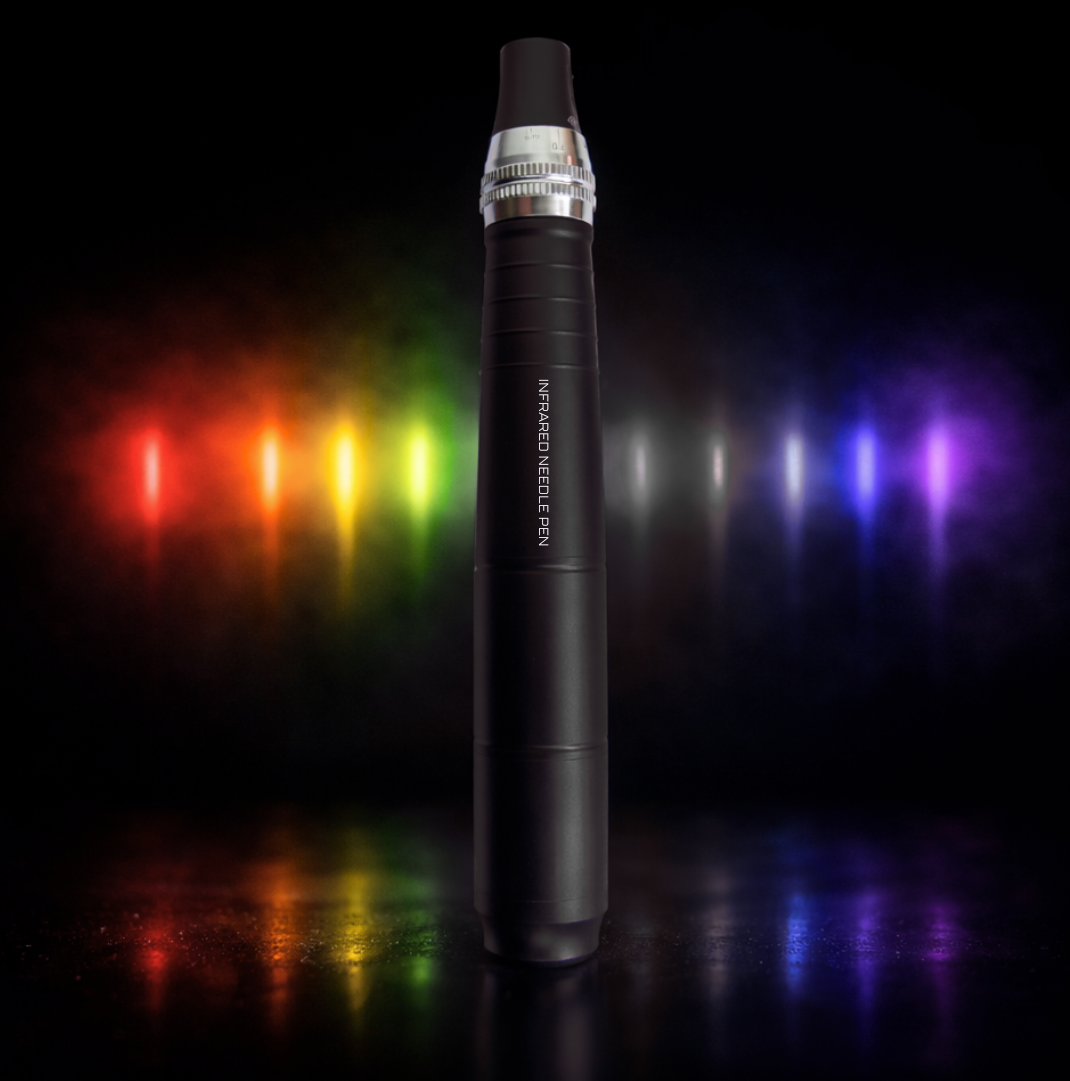
Professional microneedling systems may offer different needle counts designed for different treatment approaches. The Infrared Needle Pen, for example, is designed for use with multiple cartridge configurations, including 12-pin, 36-pin and 42-pin options.
Having cartridge choices allows providers to build protocols around the treatment area, technique and desired treatment experience rather than relying on one configuration for every service. Providers should also consider the ongoing price and availability of replacement cartridges. A low-cost device can become expensive very quickly if proprietary consumables carry a high recurring cost.
3. Consider Technology Beyond Mechanical Microneedling
One of the biggest developments in professional aesthetics is the movement toward multifunctional treatment platforms. Traditional microneedling relies primarily on controlled mechanical needling.
Other systems incorporate additional technologies into the treatment platform.
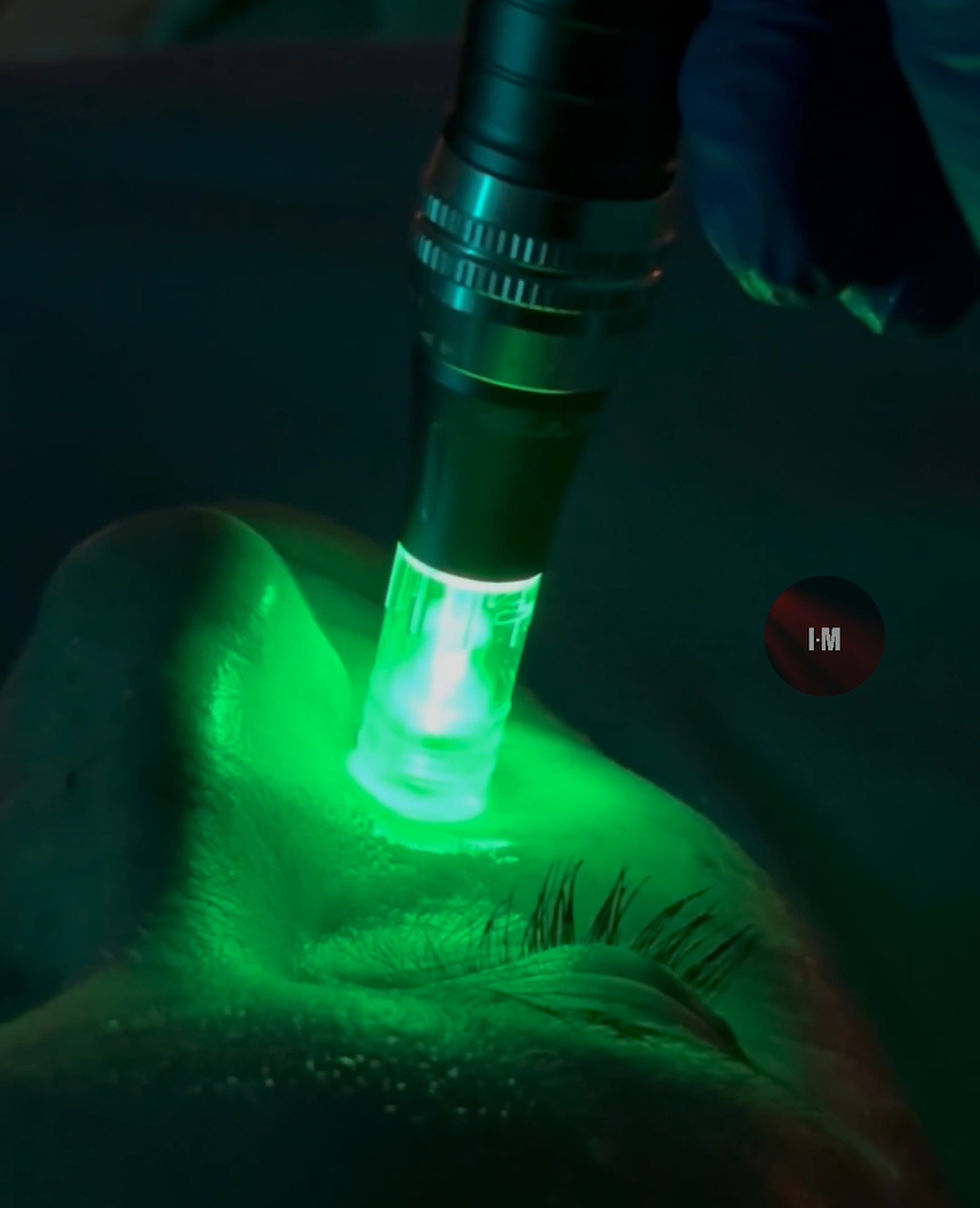
Infrared Microneedling™ was developed around this evolution by combining professional microneedling with integrated light technology in a handheld platform.
For providers comparing newer microneedling technologies in 2026, the question is no longer simply:
“How many needles does the pen have?”
It is also:
“What else can this technology contribute to my treatment workflow?”
This is particularly important for estheticians who want to differentiate their microneedling service in an increasingly competitive market.
4. Understand the Difference Between Microneedling and RF Microneedling
RF microneedling devices use microneedles or electrodes to deliver radiofrequency energy into or beneath the skin, producing controlled heating.
That difference matters when evaluating equipment, training requirements, treatment experience, device cost and regulatory considerations. Providers should compare technologies based on the services they intend to offer rather than assuming the most expensive or energy-intensive system is automatically the best fit for their practice.
5. Look at the Total Cost of Ownership
The purchase price is only the beginning. When comparing professional microneedling devices, calculate:
Device cost + cartridges + accessories + training + maintenance + replacement components = actual cost of ownership.
Then compare that number with your expected treatment revenue. For example, a practice charging $200 per microneedling treatment does not need hundreds of treatments to recover the cost of a device priced in the low thousands.
Understanding this equation before purchasing equipment helps prevent providers from investing in technology that takes years to become profitable.
6. Consider Device ROI
Ask yourself:
What will I charge per treatment?
What is my consumable cost per treatment?
How many treatments can I realistically perform each month?
Can the service be packaged into a series?
Can the technology differentiate my practice?
How quickly can the original equipment investment potentially be recovered?
For independent estheticians and smaller medspas especially, equipment efficiency matters. A $50,000 platform and a handheld professional device can have dramatically different break-even points. The right choice depends on your clientele, pricing, treatment volume and business model.
7. Regulatory Status Should Be Part of Your Research
Professional providers should understand exactly how a device is marketed and regulated before purchasing it. Not every product sold online as a “microneedling pen” has the same regulatory status, intended use or supporting documentation.
Before purchasing a device, providers should investigate its intended use, labeling, manufacturer information and applicable regulatory status.
Providers should also operate within their applicable state licensing and scope-of-practice requirements. A professional-looking website or expensive device does not replace regulatory due diligence.
8. Infection Control and Single-Use Cartridges
Cartridge handling is another important purchasing consideration.
Professional providers should have clear protocols for cartridge storage, use and disposal. Needle cartridges intended for single use should never be reused between patients. When evaluating a microneedling system, determine whether replacement cartridges are readily available and whether the manufacturer provides clear instructions regarding cleaning, disinfection and cartridge use.
Safety should be built into the workflow, not treated as an afterthought.
9. Training and Provider Support
A microneedling pen is only one part of implementing a successful service.
Providers should also consider what happens after the device arrives.
Does the company provide:
Treatment education?
Device demonstrations?
Protocol guidance?
Troubleshooting assistance?
Replacement cartridges?
Ongoing provider support?
Technology becomes much easier to integrate when the provider understands how the entire system is designed to work.
So, What Is the Best Microneedling Device for Estheticians in 2026?
There is no single device that will be the best choice for every provider.
The best professional microneedling device for your practice should balance:
Performance. Versatility. Consumable cost. Technology. Training. Regulatory considerations. And return on investment.
For providers interested in moving beyond a conventional microneedling pen, Infrared Microneedling™ introduces a different approach: combining mechanical microneedling with integrated light technology in a portable professional platform.
The Infrared Needle Pen features seven operating speeds and multiple cartridge configurations, including 12-pin, 36-pin and 42-pin options, giving providers flexibility within one treatment system. Rather than investing solely in another traditional microneedling pen, providers can evaluate whether an integrated technology platform better fits the direction of their practice.
Before You Buy Your Next Microneedling Device
Don't choose a professional microneedling device because it is trending on social media.
Compare the technology.
Compare the cartridges.
Compare ongoing costs.
Compare the treatment workflow.
Compare regulatory status.
And most importantly, calculate whether the device makes sense for the practice you are actually building.
The best microneedling device isn't necessarily the most expensive one.
It's the one you can confidently integrate into your treatment room, operate appropriately, and build into a sustainable service.
Interested in learning more about Infrared Microneedling™? Explore the Infrared Needle Pen, provider education and treatment technology to determine whether infrared microneedling fits your practice.
Professional-use information only. Providers are responsible for complying with applicable licensing, scope-of-practice and regulatory requirements. Product features and intended uses should be evaluated according to applicable labeling and regulatory status.


Comments